Hairdryer sound for baby sleep
Ask a group of parents what finally got their newborn to sleep and someone will say "the hairdryer". It is one of the oldest tricks in the book: the steady, whooshing roar seems to soothe many babies almost instantly. A recording gives you the same sound without leaving a hot appliance running, which is far safer and kinder on the electricity bill.
Safety first: never leave a real hairdryer running near a baby. With recordings, keep the speaker well away from the cot (ideally across the room), use the lowest volume that works (quieter than normal conversation), and never put a device in the cot or pram. Follow safer sleep advice from the Lullaby Trust and your health visitor.
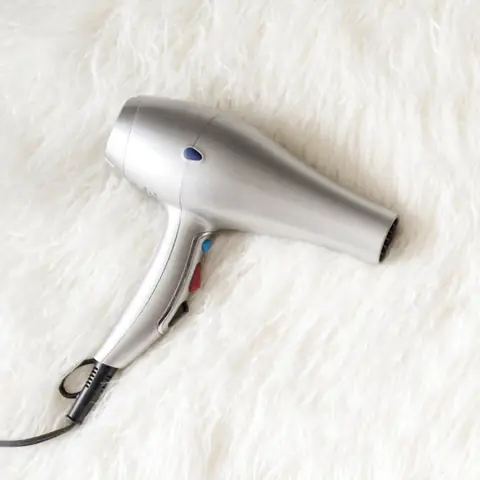
Hairdryer Noise for Baby Sleep
Why the hairdryer sound is so popular
A hairdryer produces a loud, broad, constant whoosh, a sound with lots of energy across the frequencies, a bit like white noise with a warmer motor hum underneath. Many parents feel it resembles the constant whooshing a baby hears in the womb. Whatever the reason, it has become a classic, and our hairdryer recordings are among the most-played tracks in the whole catalogue.
Using it safely
- Volume: stand where your baby's head will be. If you could comfortably talk in a quiet voice over the sound, that is about right. If unsure, go quieter.
- Distance: place the speaker on the other side of the room, pointing away from the cot.
- Timer: play it during the wind-down and let it fade once your baby is asleep, rather than loudly all night.
- Cables: keep phones, speakers and leads completely out of reach.
Two hairdryer releases
Hairdryer Noise for Baby Sleep by Chill Machine was made with bedtime routines in mind. Gentle Airflow: Hairdryer Sound for Sleep, released under our HairDryerz name, is a softer, smoother take that many adults use for their own sleep too.
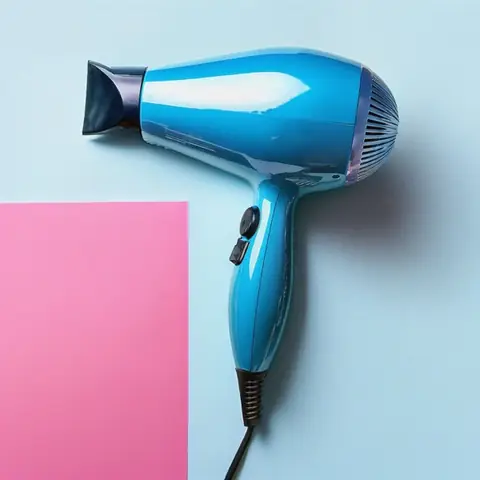
Gentle Airflow: Hairdryer Sound for Sleep (HairDryerz, part of the Chill Machine catalogue)
Not for everyone
Every baby is different. Some settle to hairdryer sounds, others prefer something softer like pink noise or womb sounds, and some sleep best in quiet. Try a sound for several nights before deciding, and change it if it isn't helping. If you're worried about your baby's sleep, speak to your health visitor or GP.
Explore more household sounds such as shower sounds and fan noise, or read our full safe listening guidance.